When I started research on this man's story, I thought this was going to be another Ploesti story. While Ploesti was a significant episode in his career, it's not the only high heart rate mission he had flown. So, we'll get started.
 |
| Source |
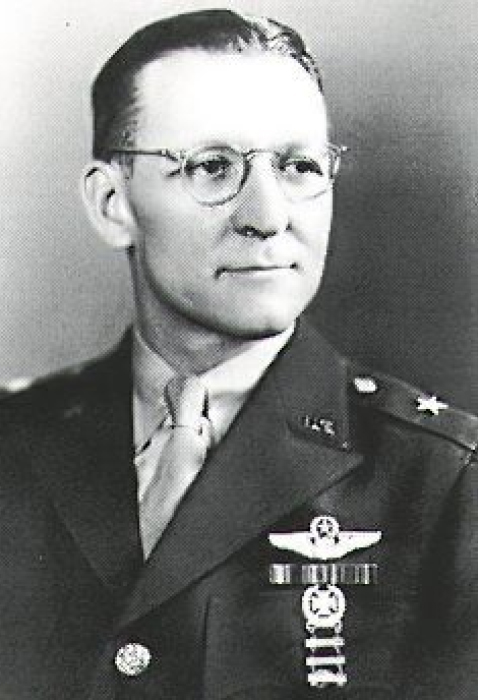
He received his commission and wings in the early 1930's and in 1940 commanded a squadron in my neck of the woods, Lackland AFB San Antonio. Many of you readers may have stories to tell about your time there.
Anyhow....After the WWII started he was sent to the Mediterranean Theater of Operation. He flew 43 combat sorties for a total of 250 combat hours, commanding the 98th Bombardment Group, a B-24 unit. That's a lot of combat. An intercepted German message reported to him that the Germans had nicknamed him "Killer Kane". For some reason, he accepted that with gratitude.
He received a Distinguished Flying Cross after leading a mission to Naples in 1942 where he and his unit sank a Cruiser and a Battleship. He later received a Silver Star while leading his unit on a mission. He was attacked by a BF-110.
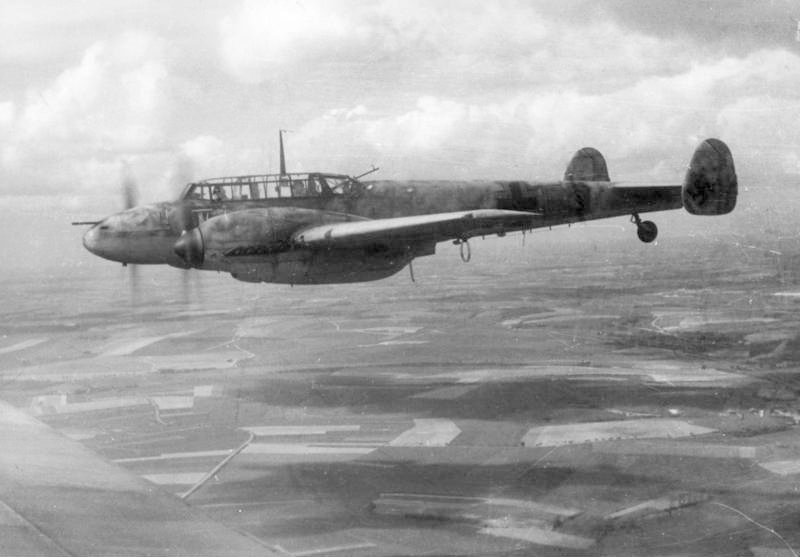 |
| Source |
Though his tail and top turrets were inoperative (my source does not say why) he as able to avoid hits by the fighter until it ran out of ammunition after 8 passes his bomber and it returned to its base. Upon returning to Col Kane's base, an inspection of his aircraft had little appreciable damage.
Pretty darn good flying, I'd say!
But the mission which earned him the Medal of Honor was dubbed Operation Tidal Wave. This was the low level bombing raid on the oil plants at Ploiești Romania. As many of you history buffs will remember this was a disastrous raid with 53 aircraft and 500 men were lost for little damage to the target. It was back up and running within a few weeks.
Col Kane led his squadron on this mission, and elected to circle the target area helping other bombers get oriented. Evidently there was a lot of smoke obscuring it.
 |
| Source |
See what I mean?
Anyhow, this decision used up his reserve fuel and he was forced to land on Cyprus. 8 Days later he was awarded the Medal of Honor.
 |
Yeah, I'd say he's a warrior! |
He continued his Air Force career and commanded several bases. He retired in 1954 and passed away in 1996 at 89.
 |
| Source |
Rest in Peace, Warrior!
Citation for the Award of the Medal of Honor to Col John R. Kane
For conspicuous gallantry in action and intrepidity at the risk of his life above and beyond the call of duty on 1 Aug 1943. On this date he led the third element of heavy bombardment aircraft in a mass low-level bombing attack against the vitally important enemy target of the Ploesti oil refineries. En route to the target, which necessitated a round-trip flight of over 2,400 miles, Col. Kane’s element became separated from the leading portion of the massed formation in avoiding dense and dangerous cumulous cloud conditions over mountainous terrain. Rather than turn back from such a vital mission he elected to proceed to his target. Upon arrival at the target area it was discovered that another group had apparently missed its target and had previously attacked and damaged the target assigned to Col. Kane’s element. Despite the thoroughly warned defenses, the intensive antiaircraft fire, enemy fighter airplanes, extreme hazards on a low-level attack of exploding delayed action bombs from the previous element, of oil fires and explosions and dense smoke over the target area, Col. Kane elected to lead his formation into the attack. By his gallant courage, brilliant leadership, and superior flying skill, he and the formation under his command successfully attacked this vast refinery so essential to our enemies’ war effort. Through his conspicuous gallantry in this most hazardous action against the enemy, and by his intrepidity at the risk of his life above and beyond the call of duty, Col. Kane personally contributed vitally to the success of this daring mission and thereby rendered most distinguished service in the furtherance of the defeat of our enemies.
Sources
https://en.wikipedia.org/wiki/John_R._Kane
https://en.wikipedia.org/wiki/Ploie%C8%99ti
https://theaviationgeekclub.com/operation-tidal-wave-why-the-1943-raid-on-ploesti-oilfields-failed-to-diminish-the-supply-of-fuel-to-germany-and-its-allies/
https://www.thisdayinaviation.com/tag/colonel-john-r-kane/